




If you are struggling with anxiety, depression, personality difficulties, or the effects of traumatic experiences, psychotherapy can help you better understand yourself, reduce emotional distress, and create lasting change. I provide a compassionate, evidence-informed approach using Intensive Short-Term Dynamic Psychotherapy (ISTDP), a modern form of psychodynamic psychotherapy that helps people identify and work through unconscious emotional patterns that may be contributing to psychological difficulties. Many people carry unresolved emotional pain that can affect their relationships, confidence, work, and overall quality of life.
I hold a Ph.D. in Clinical Psychology and have over 29 years of experience working as a psychotherapist. In addition to my clinical practice, I have taught psychology at both undergraduate and postgraduate levels. My experience enables me to tailor therapy to each individual’s needs while maintaining a collaborative and supportive therapeutic relationship.
Dynamic Psychotherapy prioritizes emotions and feelings over thoughts and beliefs. Therefore, it is closer to human nature and supported by evolutionary evidence. During billions of years, emotions have been the most important factor in the survival of all organisms. These emotions formed and persisted because of their role in the survival of individuals and species.
Thus, emotions have a deep evolutionary history, which makes them fundamental. Even from a neuropsychological perspective, it is clear that emotions take precedence over thought. In intense emotional situations, people are overwhelmed by their emotions, and their ability to think and reason diminishes.
According to dynamic psychotherapy, before treatment, the client is often unaware of the underlying reasons for their emotions, behaviours, beliefs, and reactions. Many painful and unacceptable life events and memories, along with their effects, are repressed and kept out of conscious awareness. Even when clients attempt logical analysis, they often distort reality using defines mechanisms to justify their behaviours. Therefore, trying to work on a person’s thoughts and beliefs without first freeing them from the emotional constraints of past painful experiences is futile.


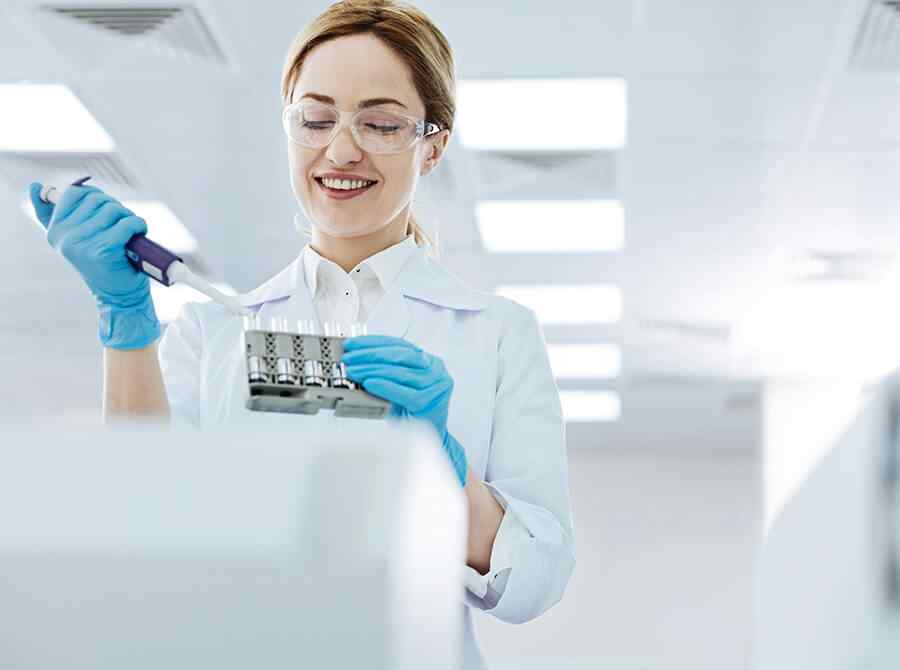
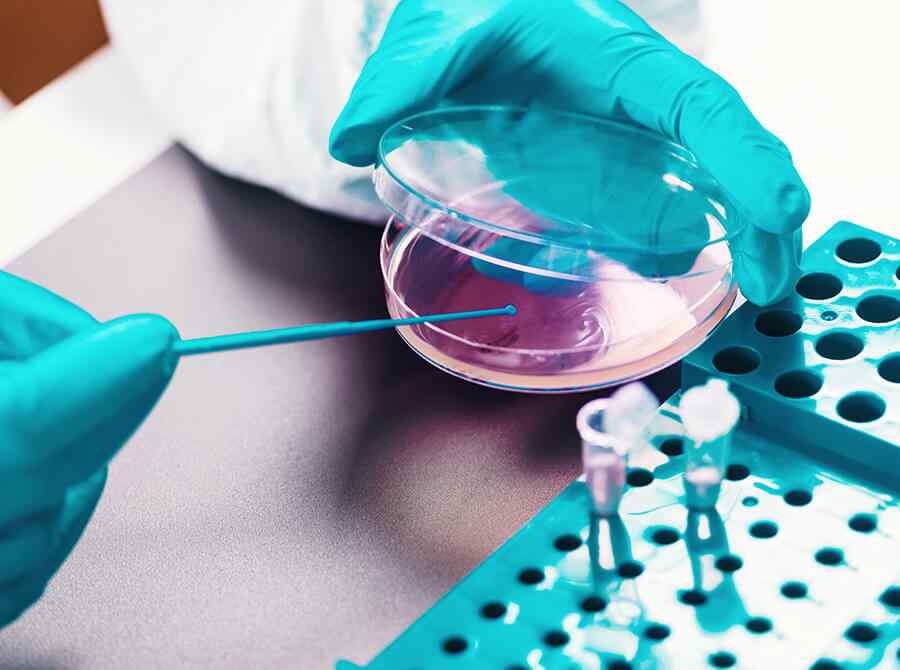
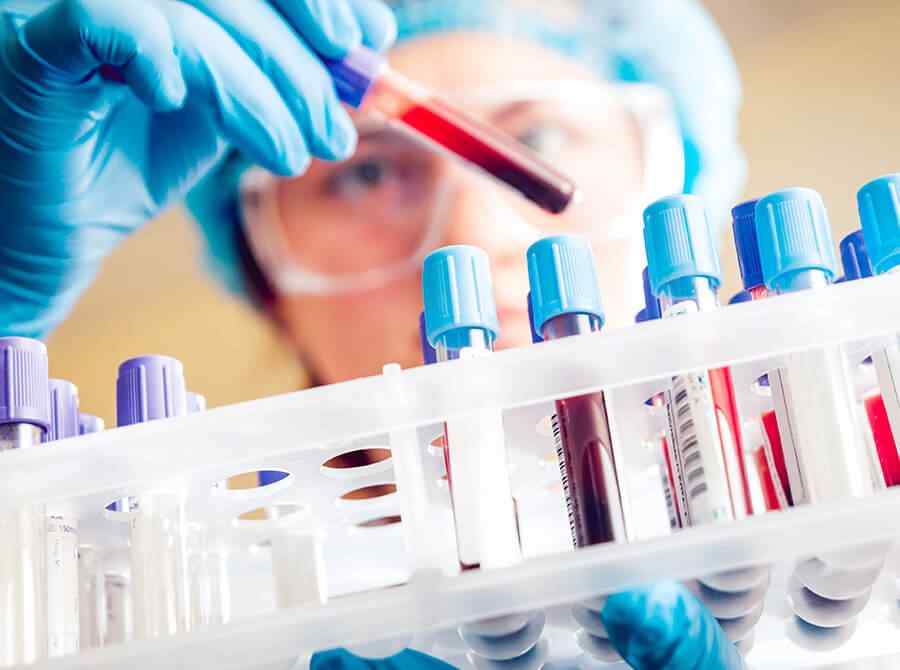
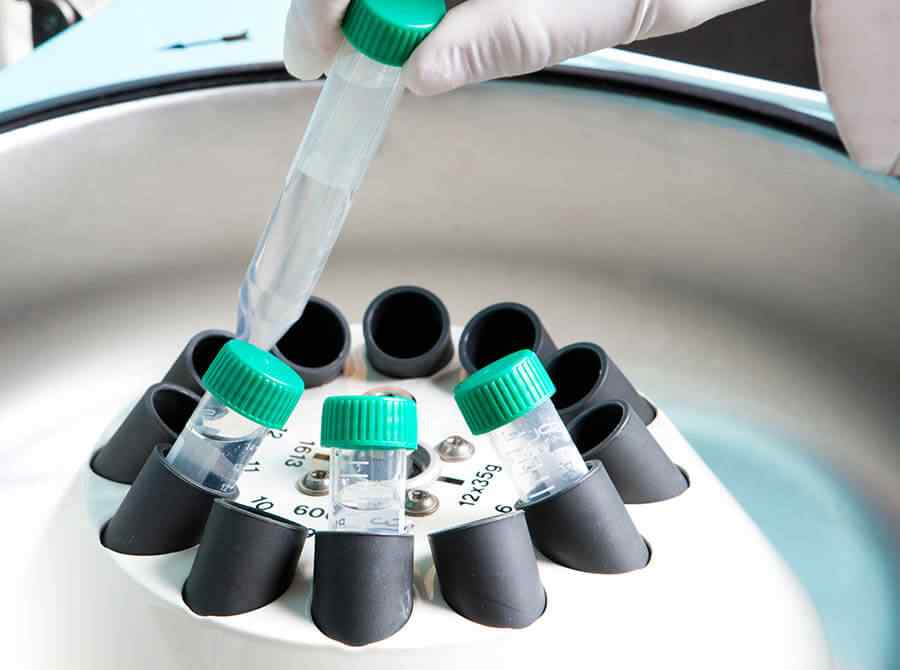


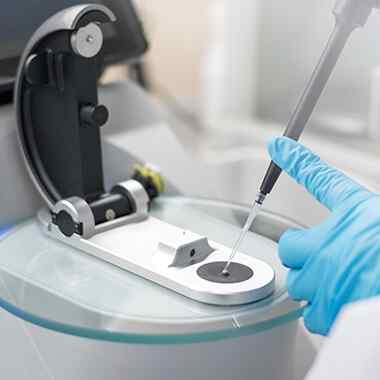
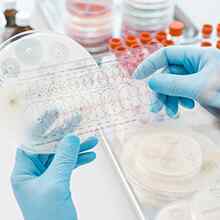
The Microbiology Laboratory is composed of several sections including Aerobic and Anaerobic Bacteriology, Mycology, Parasitology, Mycobacteriology. Monday to Friday, 7 am – 5 pm.
The Clinical Microbiology Laboratory also performed body fluid analysis including: